Supplier risk programmes often fail because they begin too big. A better approach is to start with the risks you can see and measure today and widen from there.
Start with document compliance
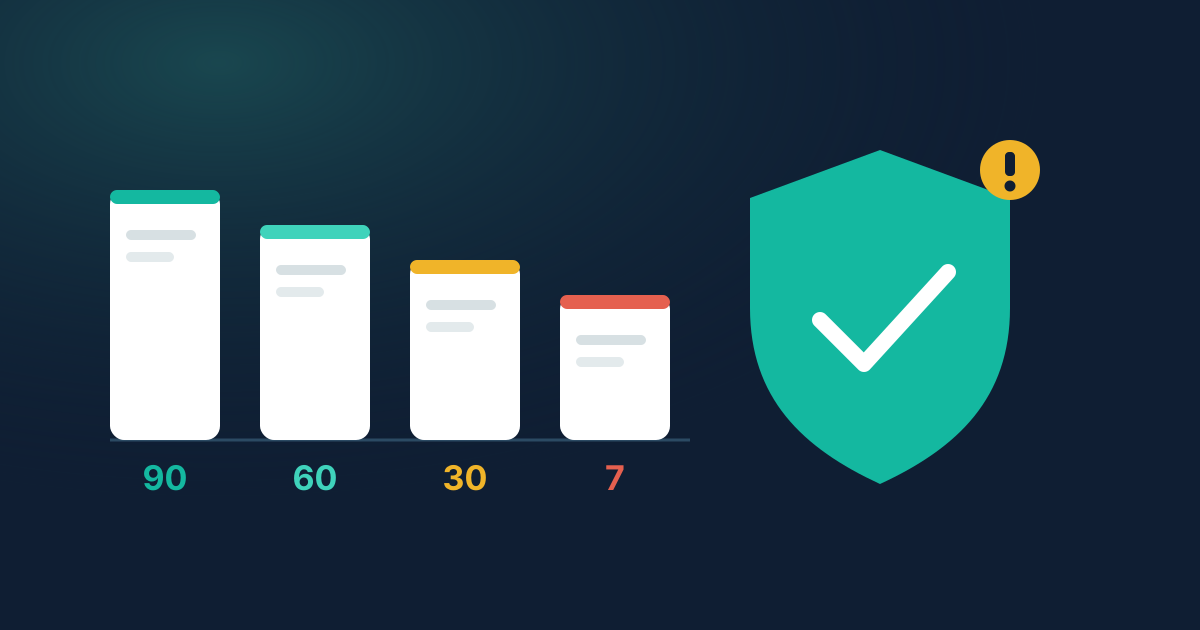
Expired certificates, insurance and licences are the most common and most preventable risk. Record every expiry date, remind both the supplier and your team at fixed windows such as 90, 60, 30 and 7 days, and decide in advance what happens on expiry.
Decide what happens on expiry
Some teams suspend a supplier automatically when a critical document lapses. Others only warn. Either can be right; what matters is that the rule is written down, applied equally and that reinstatement is a deliberate, recorded decision.
Add a simple risk register
For each critical supplier note the main exposures: single source, financial health, geography, quality history and ESG. Review them at set intervals, with critical suppliers more often.
Watch performance for early signals
Late deliveries, rising rejection rates and open non-conformances often precede a bigger problem. A scorecard makes the trend visible before it becomes an incident.
Keep an audit trail
When something goes wrong you will be asked what you knew and when. Field-level history and recorded decisions turn that from a scramble into a lookup.